Overview
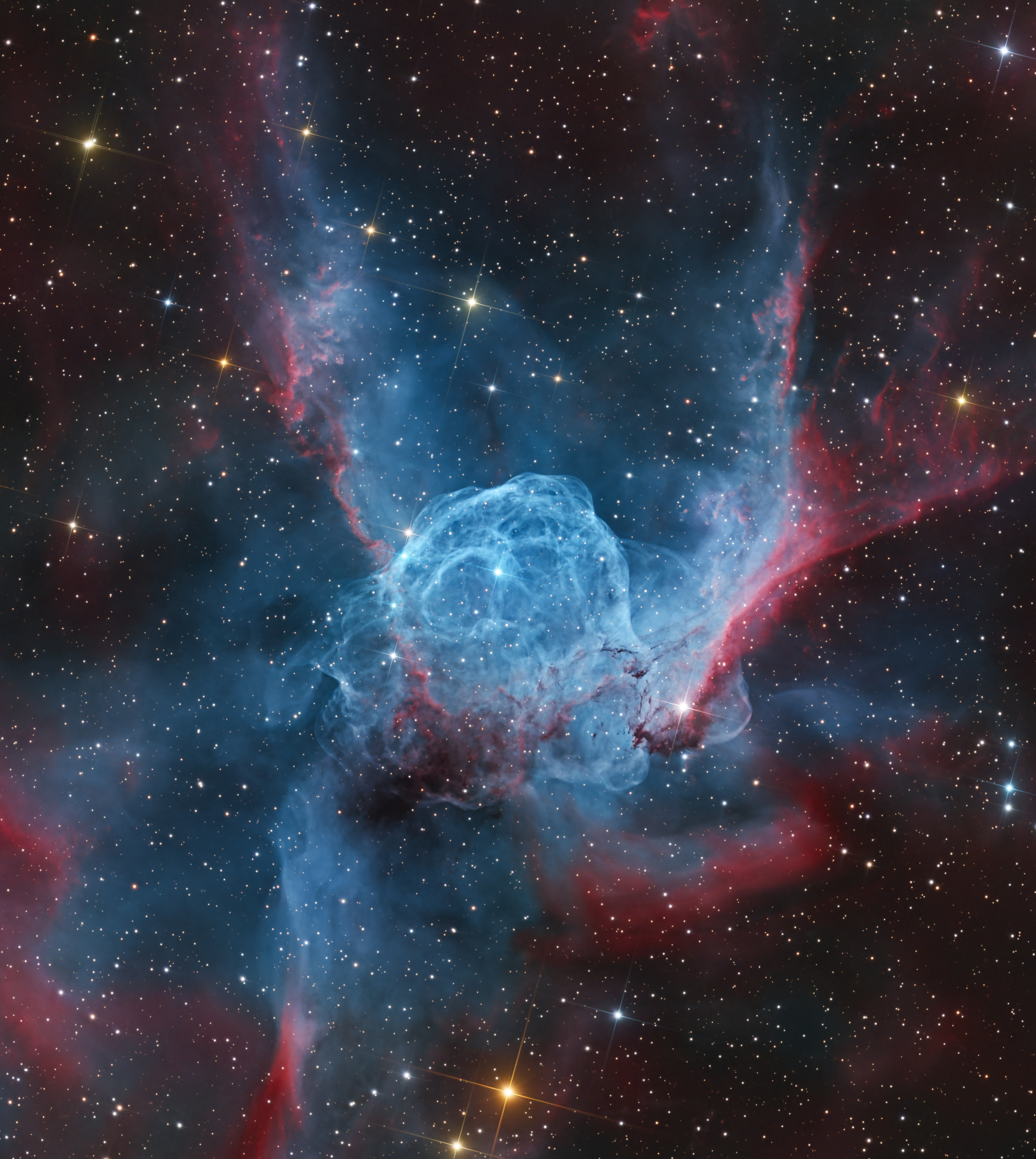
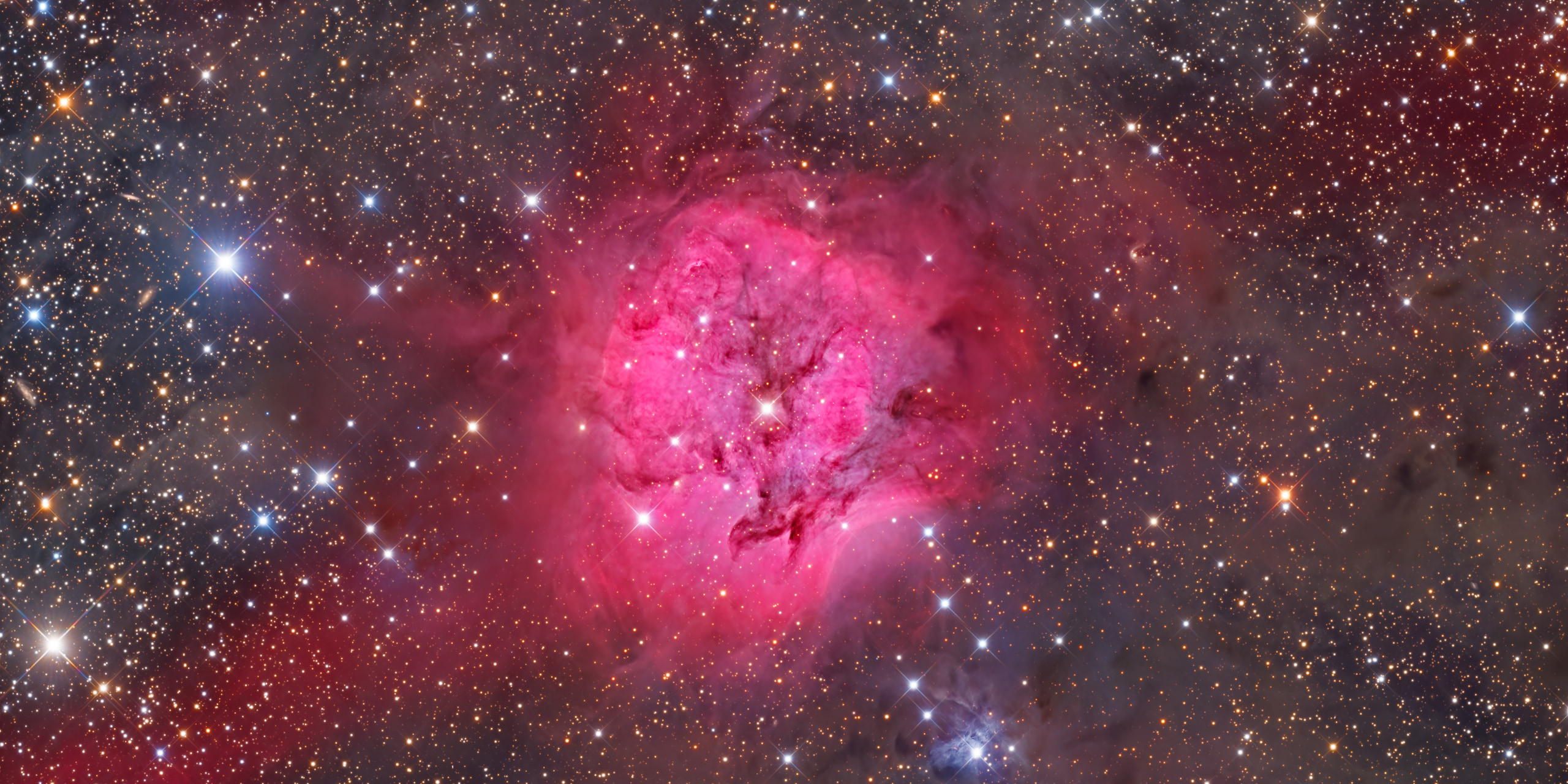
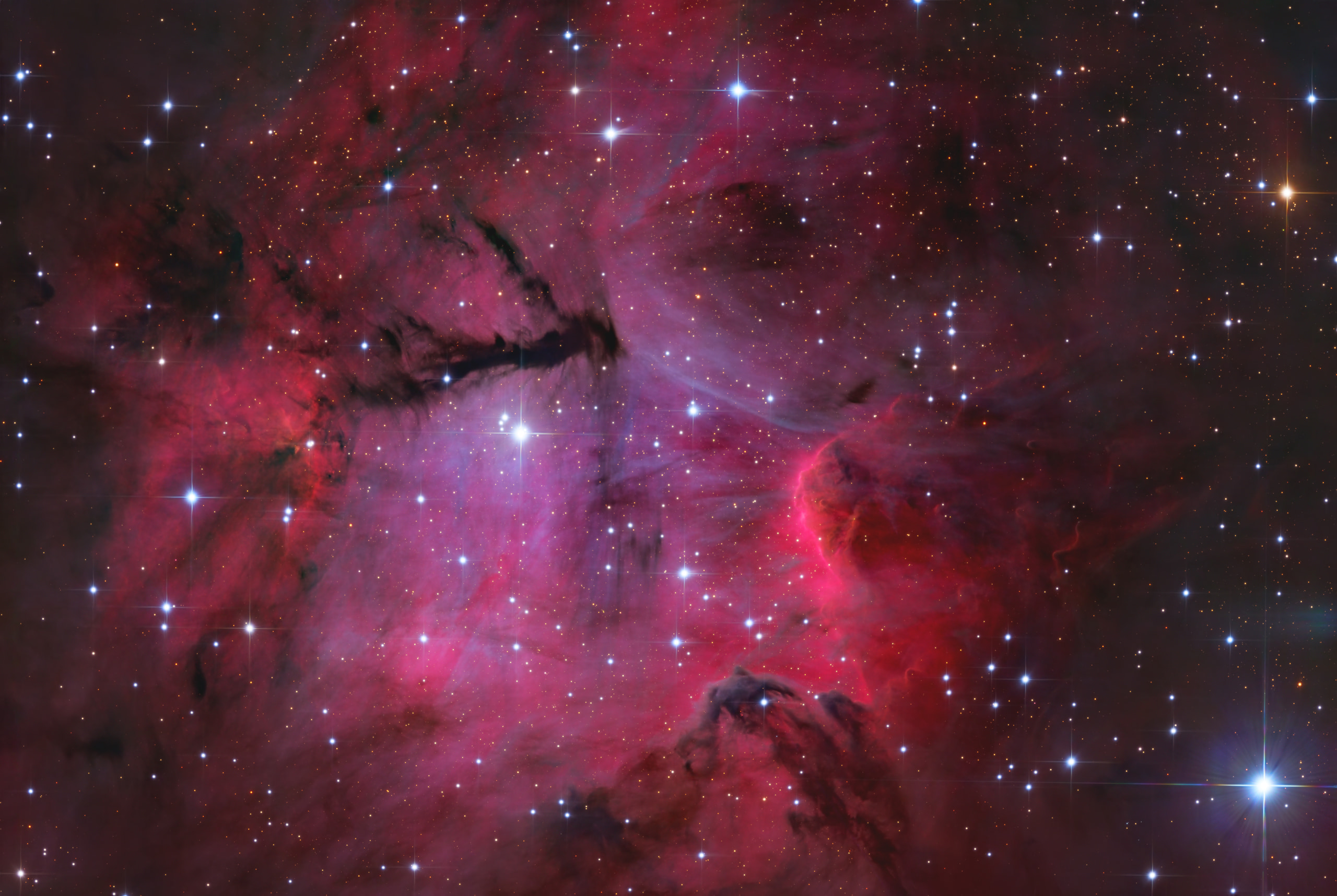
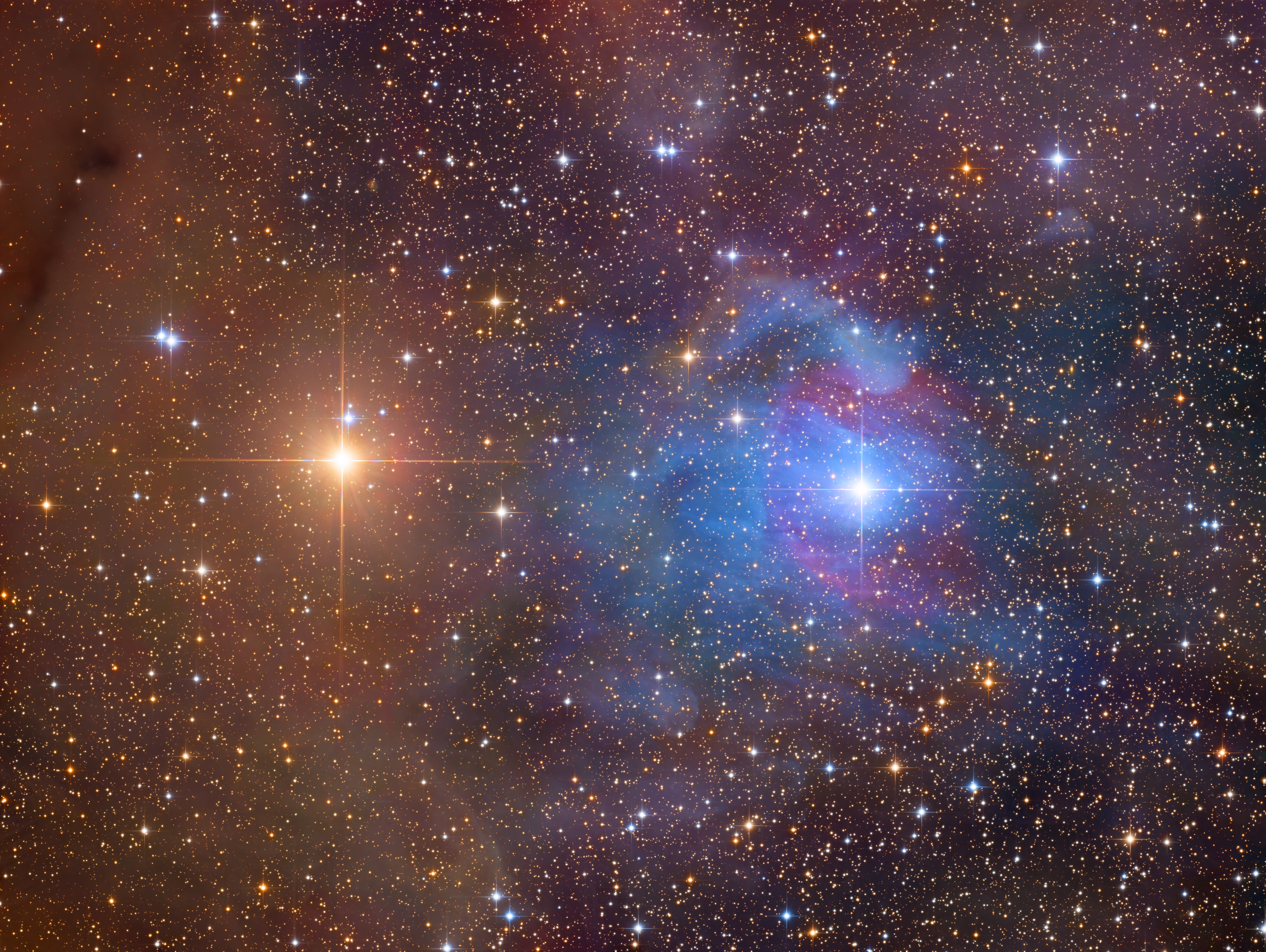
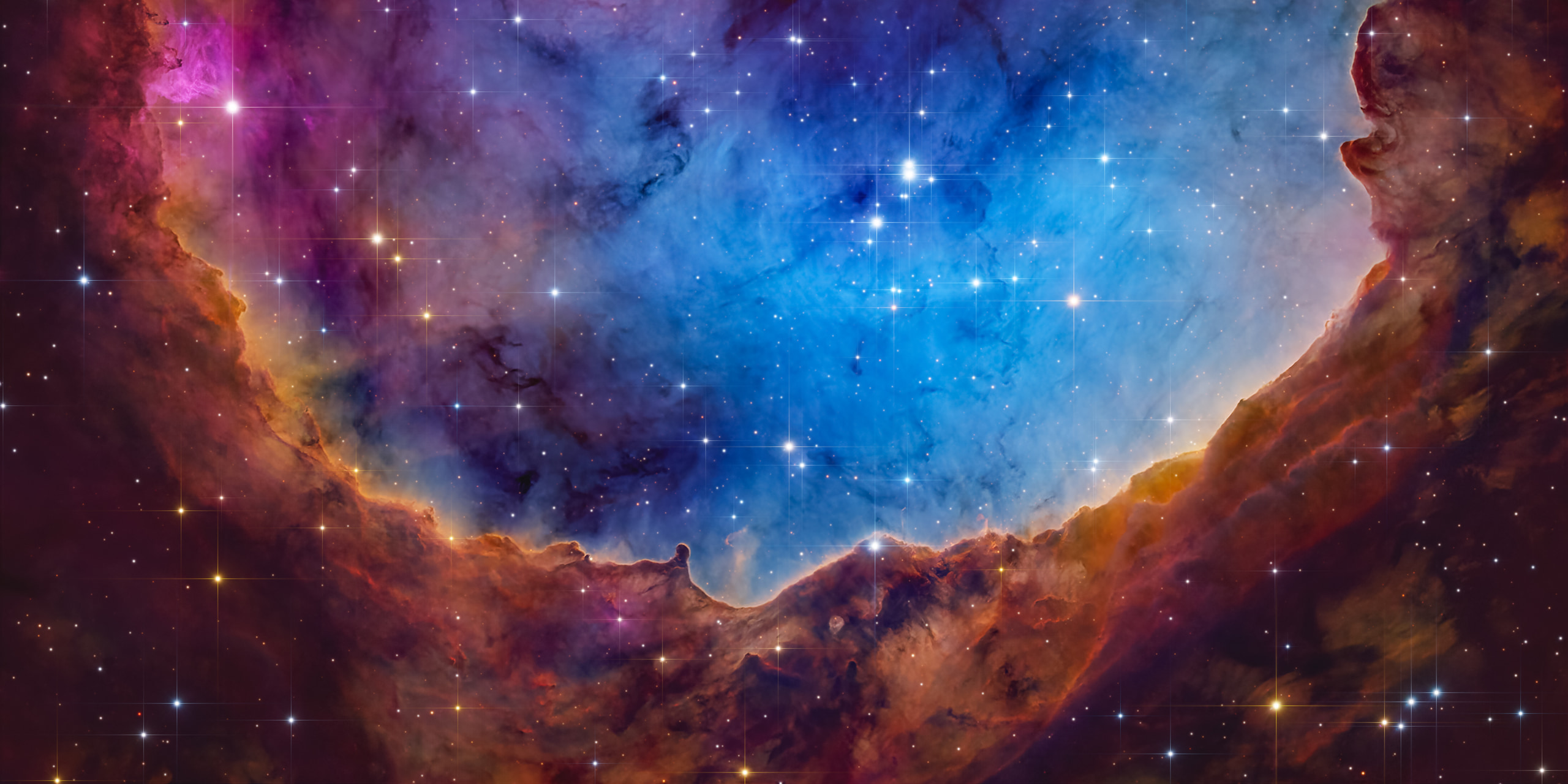
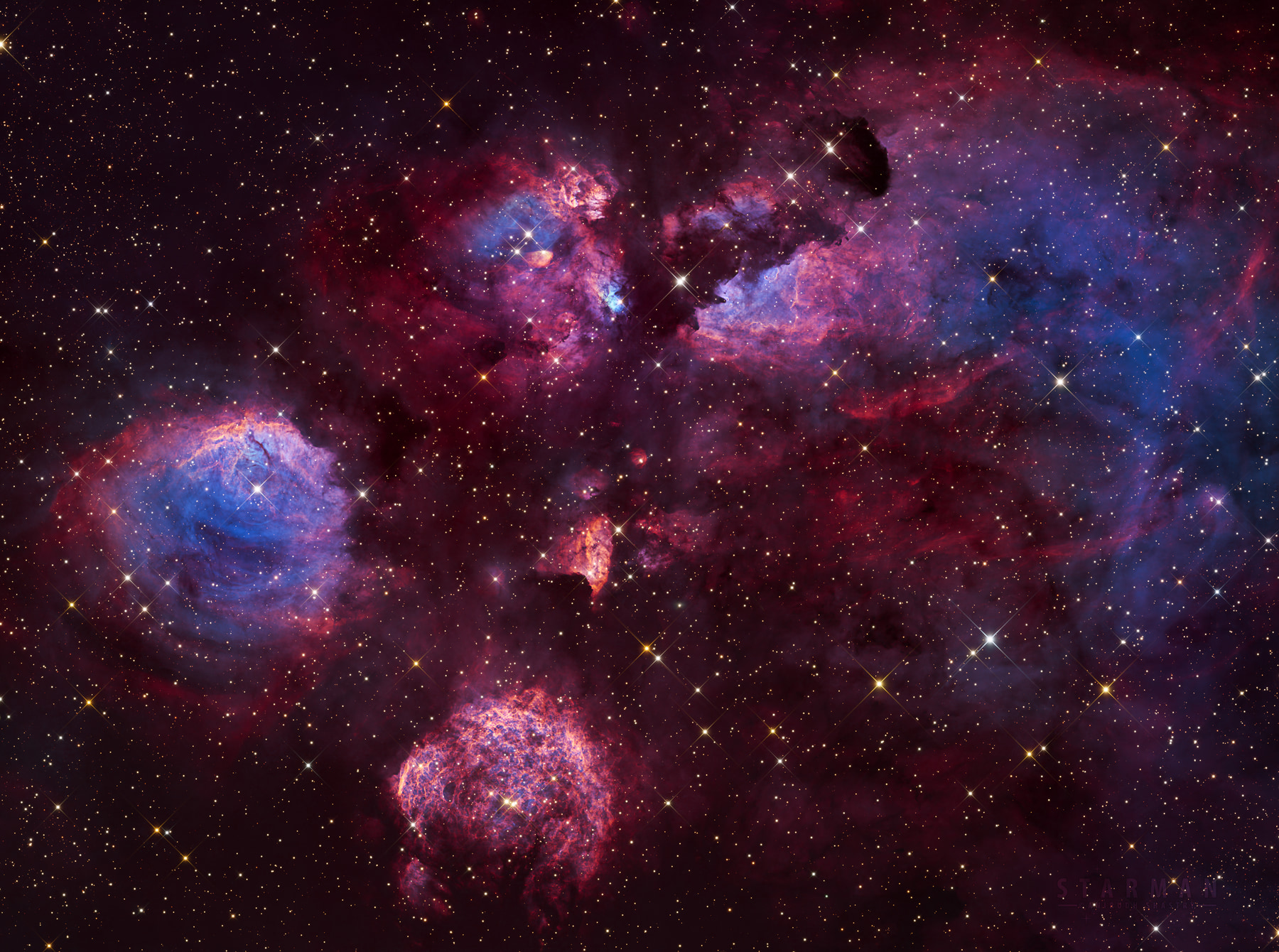
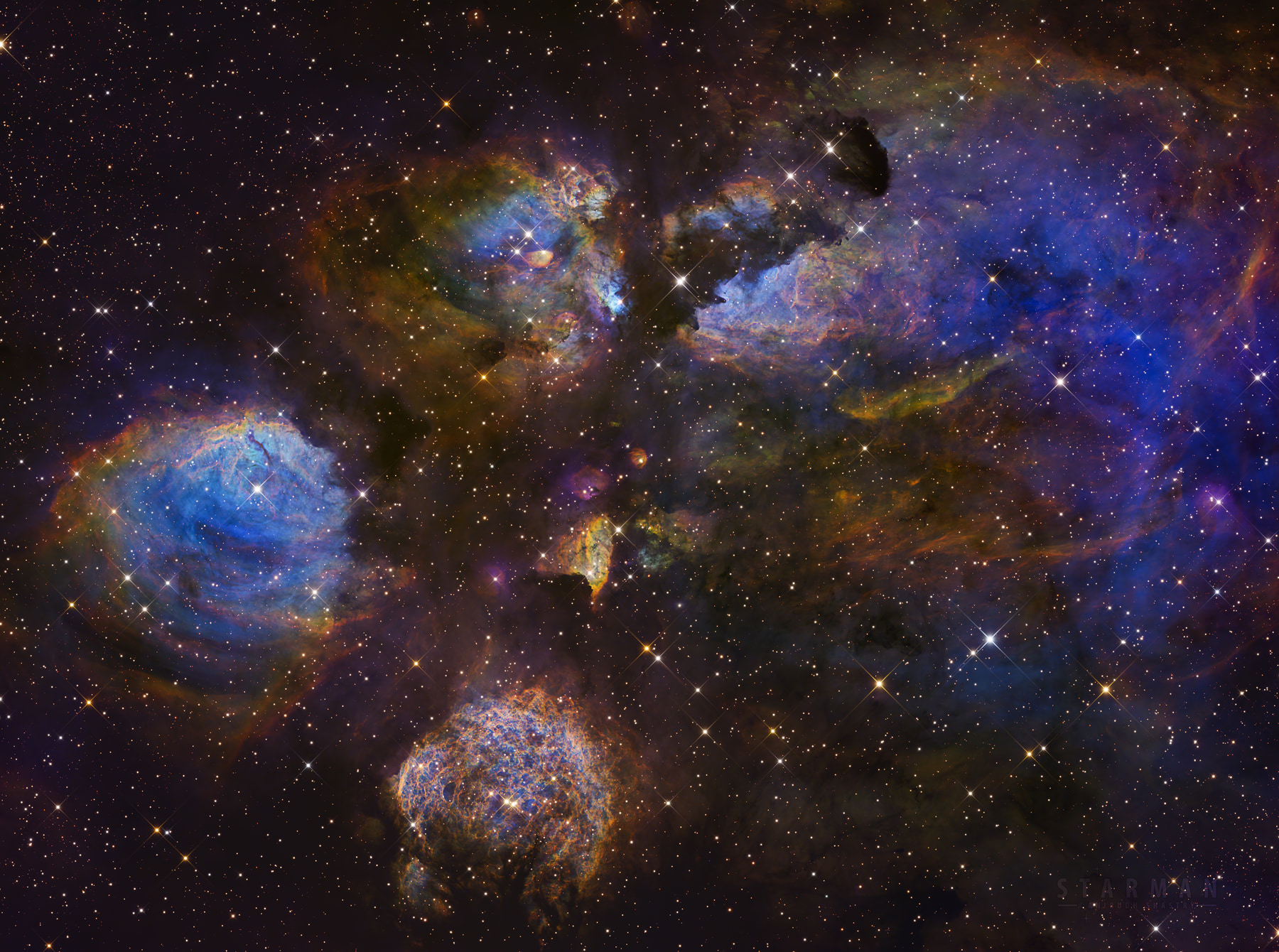
Down by the stinger of Scorpius, something has left its mark. NGC 6334 is a set of glowing pads pressed into the dust of the galactic plane, and the name explains itself. John Herschel swept it up from the Cape of Good Hope in 1837 and logged it as a bright nebula, no animal attached. The cat was pinned on it much later, and I would like to lodge an objection.
Cat owners, you already have the Cat’s Eye Nebula, and you have had this paw long enough. I shared my life with greyhounds, long legged and gentle, no longer with me. I know a dog’s paw when I see one. Three great toe pads, a fourth half buried, and the broad soft pad beneath them: that is a hound’s print, left in the sky at a full gallop.
The paw lies some 5,500 light years away and spans roughly 50 light years. Each pad is a bubble of hydrogen, hollowed and lit by massive young stars born inside it, and the whole complex is one of the most violent nurseries of heavy stars anywhere near the Sun, a mini starburst. Tens of thousands of stars are forming here, hidden so deeply in dust that only infrared and radio can reach them.
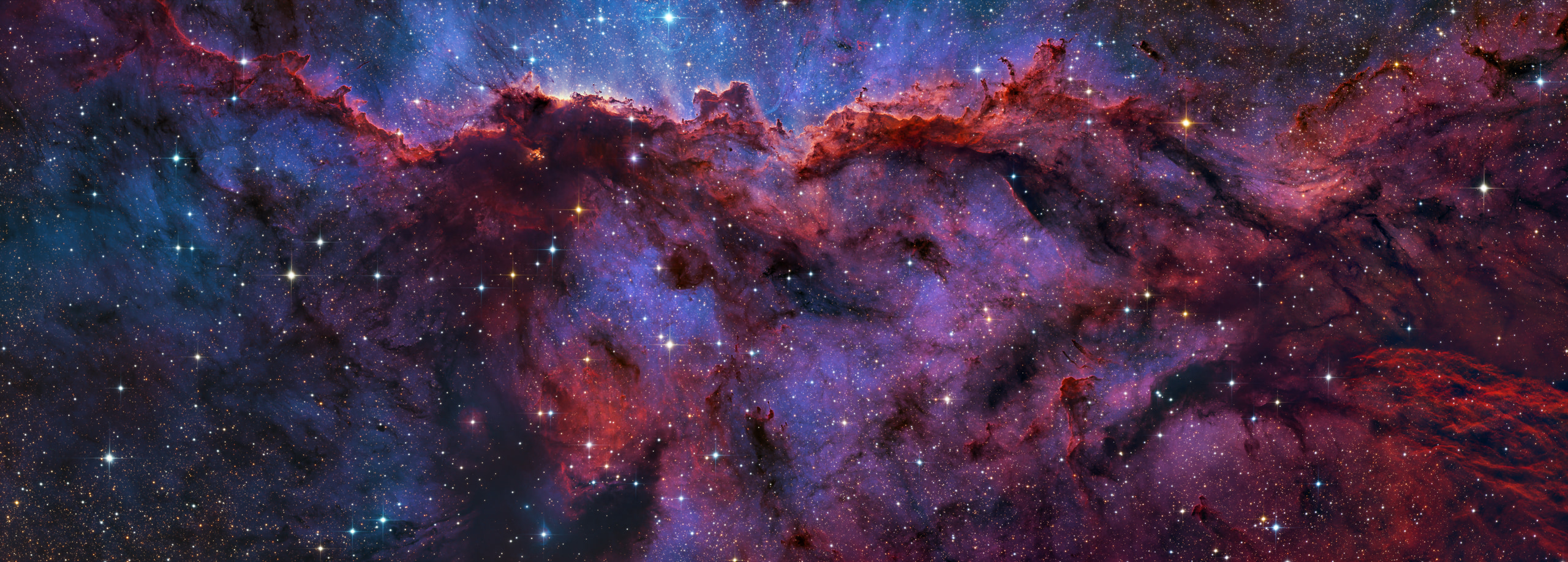
The darkness is as much the picture as the light. Thick cords of dust cut between the pads like claw marks, and the nebula sits so deep in the galactic plane that its light arrives reddened, like a sunset. Near the center, look for the tiny ring of gas, a bubble blown by a single hidden star.
Two renditions of the same 25.5 hours share this page, and the slider sweeps one across the other. The Hubble palette maps sulfur to red, hydrogen to green and oxygen to blue, and turns the paw into gold, teal and sapphire, false in color but honest about structure. The SHORGB version is the SHO-enhanced RGB I usually favor, with hydrogen and sulfur deepening the crimson and oxygen lifting the blue in the hearts of the pads.
I could not choose between them, so I did not. Drag the divider and decide for yourself. The hounds would have picked whichever one was closer to the couch.
Captured from my remote setup at Obstech in Chile:
🔭 PlaneWave CDK500 Observatory System
📸 Moravian C5A-100M Camera
🎨 Chroma R, G, B, 3nm Ha, Oiii and Sii Filters
📀 R: 30×120s, G: 30×120s, B: 30×120s, Ha: 30×900s, Oiii: 30×900s, Sii: 30×900s (25.5 hours)
🖥️ Processed in PixInsight and Adobe Photoshop